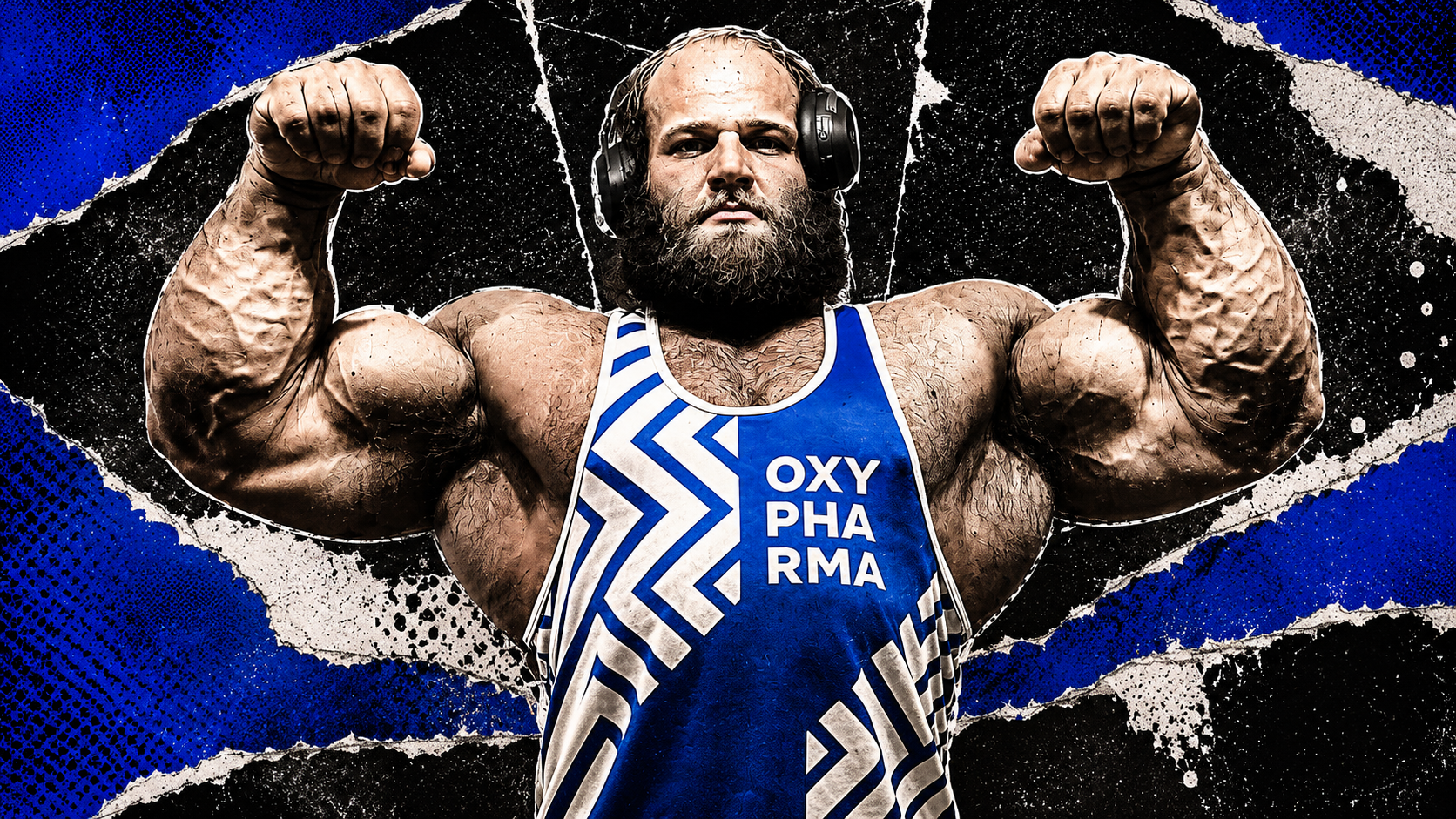
General strength still scares arm wrestling. The sport likes to pretend it has grown too technical for that, then someone like Andrey Smaev shows up in a training clip, and everybody starts measuring his wrist with their eyes.
Specialization wins at the top. Still, a freak is a freak.
Smaev is interesting because he sits right on that nerve. He has enough raw strength to make serious fans curious and enough distance from elite competition to let them stay unreasonable.
Strength Transfers Until It Meets Position
A giant curl, thick fingers, and heavy back power can all matter. Nobody should act precious about that. Arm wrestling rewards strength every time the hand stays intact and the shoulder can follow.
The problem is where the transfer stops. A big hand helps until a high-level toproller attacks the fingertips. A strong arm helps until the elbow angle opens, and the athlete keeps pushing sideways from panic. A massive body helps until the referee’s grip takes away the comfortable start.
That is why Smaev as a fantasy prospect feels so unstable. His best traits are obvious. His missing traits would show up only under pressure.
Brian Shaw Already Gave The Warning
Brian Shaw brought the cleanest recent case study. He entered with size, grip, discipline, and serious audience pull. Then Leonidas Arkona dragged him into the kinds of spots crossover athletes hate.
The lesson from Brian’s loss was not that general strength fails. The lesson was that general strength needs a table language. Straps. Referee’s grip. Legal pressing. Connection through the shoulder instead of a lonely hammer curl.
Smaev would face the same challenges.
The Scary Version Takes Time
The best Smaev version would not be the one who rushes straight into a circus match. The scary version spends months learning to keep his hand loaded without frying the elbow. He learns when to slip. He learns how a strap can make a strong man feel smaller.
That version could absolutely scare people. Maybe not Levan. Maybe not the top five right away. But enough to make the what breaks first question feel less like a joke.
General strength still matters. The table just asks a harder question than the weight room does.

I was born in the 1980s, so like a lot of fans, Over the Top was my first introduction to pro arm wrestling. Years later, Devon Larratt’s YouTube channel pulled me back in, and I’ve been hooked ever since. Rewatching classic matches, following the modern supermatch hype, and keeping up with the personalities, rivalries, and culture that make arm wrestling so addictive.