Published July 15, 2026
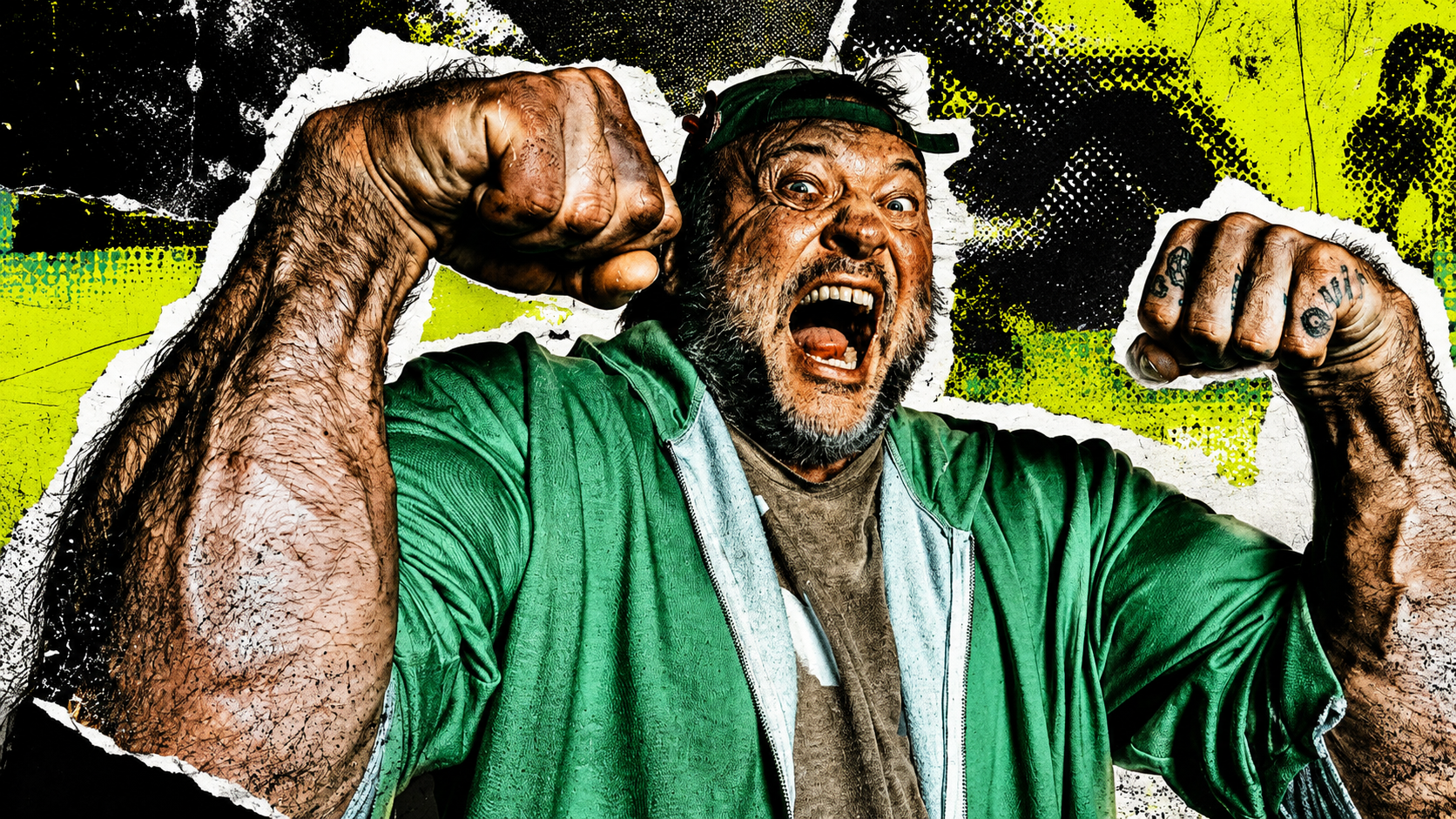
Devon Larratt’s table persona makes more sense after the military section of his Joe Rogan podcast appearance.
The grin. The pressure. The strange comfort in chaos. None of it feels random when you hear him talk about building a version of himself for stress.
The Switch Came First
Devon spoke about JTF2 without turning the episode into a resume. The useful part was the psychology. He learned to create a working version of himself for extreme pressure, then carried that switch into arm wrestling.
That tracks with the way he pulls. He can look calm while the position gets ugly, then turn mean the second the other man gives him one useful angle.
His Levan obsession has the same shape. Long periods of order. One target. One block of life built around one job. Then match day asks him to become something less polite.
Arm Wrestling Became The Clean Fight
Devon called arm wrestling a safe fight. For him, the sport keeps the combat feeling while removing the worst costs. No head shots. No battlefield. Just two people trying to break each other’s plan through a grip.
That made his mainstream lesson to Rogan more interesting. He was explaining technique, but he was also explaining why the sport hooks certain people so hard.
The table gives him a mission with rules. He can chase mastery without pretending the urge to fight disappeared.
The Persona Is Part Of The Pull
Fans sometimes separate Devon’s mind games from his arm wrestling. That feels too neat. His setup battles, pauses, talking, and weird patience all live in the same system.
The late-career Devon problem works because he treats performance like identity. He keeps editing the person who shows up on match day.
Plenty of athletes talk about mindset. Devon seems to build a character, feed it wrist curls, and let it loose when the strap tightens.
Discipline Turns Into Theater
The interesting part is how disciplined the chaos can be. Devon talks like a man who values routine, order, and mission. Then the match starts, and the same discipline turns theatrical.
The shouting, staring, and slow pressure all serve the job. The show surrounds the plan instead of replacing it.
That also explains why Devon seems comfortable inside long stress. A pull in the strap can become a patience contest. Many athletes panic when the hit fails. Devon often looks like he has simply entered the next phase of work.
That patience annoys people. It also wins rounds.

I was born in the 1980s, so like a lot of fans, Over the Top was my first introduction to pro arm wrestling. Years later, Devon Larratt’s YouTube channel pulled me back in, and I’ve been hooked ever since. Rewatching classic matches, following the modern supermatch hype, and keeping up with the personalities, rivalries, and culture that make arm wrestling so addictive.