Published September 15, 2026
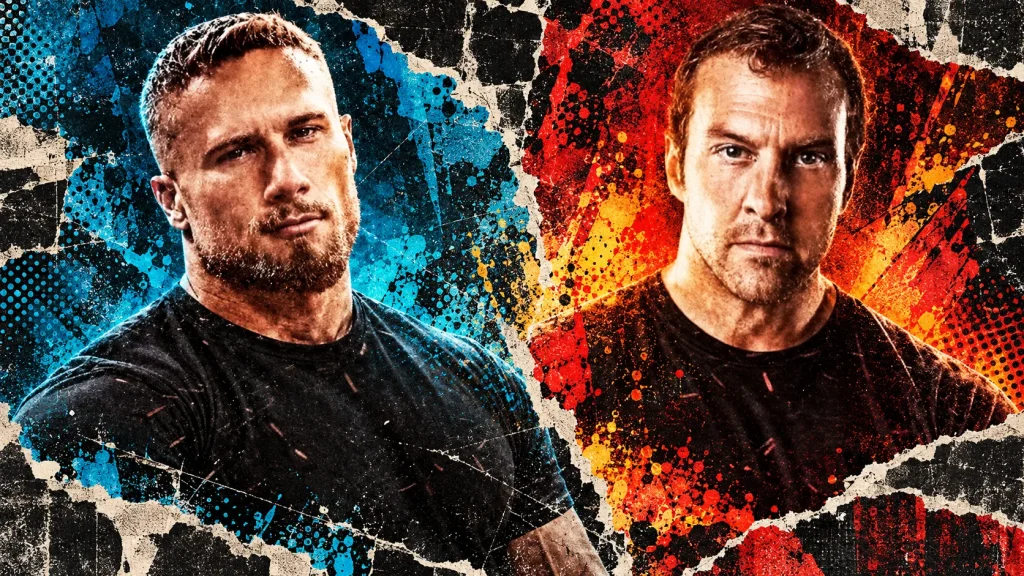
Two 4-0 losses at East vs West 26 exposed two different problems. Ivan Matyushenko lost his wrist against Devon Larratt. Leonidas Arkona found a stop against Matt Mask, then could not turn it into offense.
The useful part came after the matches. Both men treated the result as information. Matyushenko named the position he could not solve. Arkona took the loss back to Germany as training material.
That response carries more weight than an excuse or a vague promise to work harder. Each defeat left a precise assignment.
Matyushenko Named the Missing Lane
Matyushenko acknowledged that his usual hook and partial outside option failed against Larratt’s open-arm toproll. That is a sharp read. He wanted to apply side pressure from a hand that Devon had already opened.
The match showed how quickly those options disappeared. Larratt kept his pronation connected, pressured the fingers, and denied the cup Matyushenko needed to drag inside. More force through the same loose wrist would only deepen Devon’s control.
Ivan now needs a real second route. He can climb and recover height before committing sideways. He can also build a press that works through a bent wrist. Genadi Kvikvinia showed why that press can bother Larratt. It attacks the arm angle after the hand battle has gone badly.
Neither option comes from one clever drill. Climbing demands patience under strap pressure. A flop press asks for shoulder commitment and confidence near the pin line. Matyushenko left China knowing exactly where his reliable game ran out.
Arkona Has to Attack From the Stop
Arkona’s post-match response sounded less technical. He described the trip as valuable, said the work would continue, and promised revenge. The match still gave him a clean place to begin.
His open-arm defense caught Mask in the later rounds. For a few seconds, the raw shape worked. Yet Mask still finished both of those stops. Arkona held close to the pad without recovering his hand or pulling the match back toward center.
That makes his problem different from Ivan’s. Arkona found a brake. He still needs a gear out of it.
The next step lives in the setup and the first inch after contact. Arkona needs more height before his arm opens, then a transition that turns the catch into pressure on Mask’s hand. Sitting low and waiting only lets a seasoned toproller adjust the finish.
Mask did exactly that. He stayed attached, kept working through the hand, and cleaned up his timing on the restart. Arkona’s resistance made the round longer. It never made the position his.
Specific Work Makes the Loss Useful
Post-match humility gets praised easily in arm wrestling. The better measure comes later, when the same bad position appears under a referee’s grip.
Matyushenko needs proof that he can climb or press after losing his cup. Arkona needs to turn an open-arm catch into a route back toward center. Those are narrow jobs. Good. Narrow jobs can be trained and tested.
Both men sounded ready to return. Revenge becomes credible when the wrist, setup, and transition look different the next time the match stalls in the same place.
I was born in the 1980s, so like a lot of fans, Over the Top was my first introduction to pro arm wrestling. Years later, Devon Larratt’s YouTube channel pulled me back in, and I’ve been hooked ever since. Rewatching classic matches, following the modern supermatch hype, and keeping up with the personalities, rivalries, and culture that make arm wrestling so addictive.